Sharp Honda - Which hybrid SUV gives families more everyday confidence around Junction City, KS — the 2026 Honda CR-V Hybrid or the 2026 Hyundai TUCSON Hybrid?
Shoppers around Junction City, KS often ask the same question when they are shortlisting compact hybrid SUVs: which model delivers steadier confidence in real-life driving, the 2026 Honda CR-V Hybrid or the 2026 Hyundai TUCSON Hybrid? Both are excellent. Yet the way they deliver traction, quietness, and seamless tech integration can feel very different behind the wheel. This blog breaks down how each SUV handles Kansas interchanges, neighborhood errands, and weekend routes—so you can decide which one will match your daily rhythm.
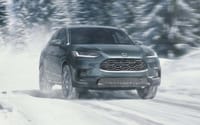
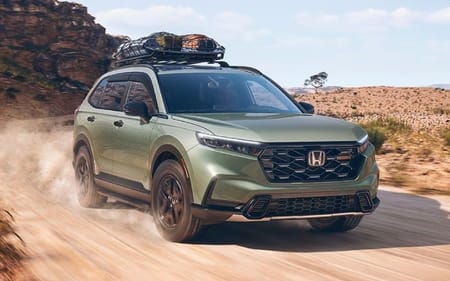
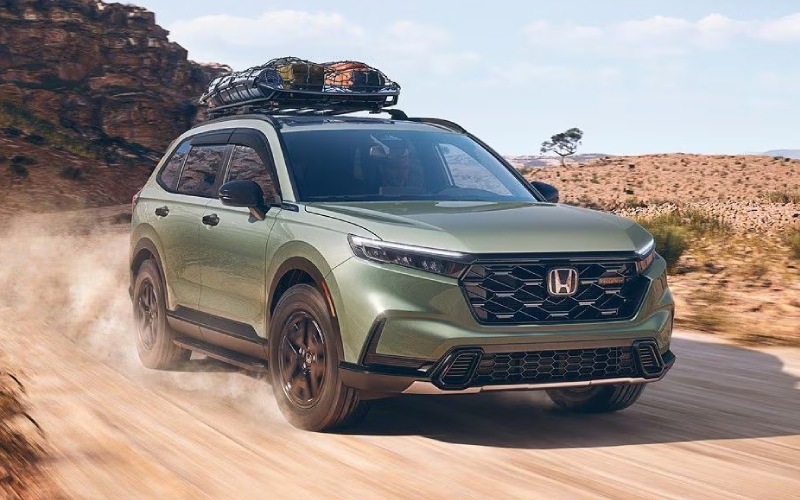
Let’s start with traction and stability, because those qualities shape how secure a vehicle feels on I-70 and through fast-changing crosswinds over the Flint Hills. The CR-V Hybrid’s available Real Time AWD™ engages smoothly and predictably; it is the kind of tuning you notice when damp pavement and gusty conditions meet, and you still feel composed changing lanes. The TUCSON Hybrid makes HTRAC AWD standard on every trim, which is a terrific baseline. In practice, the Honda’s calm steering response and natural brake blending bring a more settled personality in those in-between moments—easing off the throttle for an exit ramp or scrubbing a few mph in a roundabout. It is refinement you sense every day.
Powertrains that shape the drive
The 2026 Honda CR-V Hybrid uses a 2-motor hybrid system designed for quiet, smooth transitions between electric and engine power. With Sport mode standard on hybrid trims, it responds briskly when merging or climbing grades toward the rolling Flint Hills. The 2026 Hyundai TUCSON Hybrid pairs a 1.6L turbocharged GDI engine with an electric motor and a 6-speed automatic, delivering energetic acceleration and standard AWD confidence. Both are capable, but the Honda’s calm, cohesive handoff between drive sources helps it feel relaxed at neighborhood speeds without losing punch on the highway.
Where the driving experience diverges most is in daily stop-and-go. Brake feel defines driver confidence more than spec sheets suggest. The CR-V Hybrid’s blend of regenerative and friction braking feels intuitive, which helps every time you trickle down to a stoplight or ease into a parking space by the park. The TUCSON Hybrid’s pedal is consistent too, though drivers sensitive to ultra-smooth transitions typically prefer Honda’s tuning after back-to-back drives.
Cabin tech you will actually use
Connectivity is a major factor for families, and both SUVs deliver robust setups. Every CR-V trim includes a 9-inch color touch-screen, wireless Apple CarPlay® and Android Auto™, and a wireless phone charger—so cords and adapters become a thing of the past. Step up to the Sport Touring Hybrid and you also get Google built-in for native Maps, Assistant, and more. The TUCSON Hybrid goes big with a standard 12.3-inch center display, wireless phone charging on select trims, and a panoramic curved-display layout available for a premium look. These are two strong approaches, but Honda’s across-the-board wireless integration removes complexity right from the base hybrid trims, and physical controls for core functions help you keep your eyes up when traffic compresses.
Audio and comfort upgrades are also meaningful to busy households. The CR-V Sport Touring Hybrid adds a Bose premium sound system and leather-trimmed seating; EX-L and Sport-L Hybrid also offer leather. The TUCSON Hybrid Limited counters with leather-trimmed seating, surround-view camera, and advanced driver-assist features. Both feel upscale at the top of their ranges—so your choice may hinge on tech simplicity (Honda) versus a broader screen canvas (Hyundai).
Space, loading, and small conveniences
Compact SUVs earn loyalty by how easy they are to load and live with. The CR-V Hybrid’s square cargo aperture and low floor help with bulkier items—camp chairs, a folded stroller, or home improvement supplies. The EX-L, Sport-L Hybrid, and TrailSport Hybrid offer a power tailgate, and the Sport Touring Hybrid adds hands-free access power tailgate, which proves useful when you are carrying sports bags and the key is in your pocket. The TUCSON Hybrid offers a hands-free smart liftgate on SEL and above, and its cargo floor is nicely finished and level. Both have rear seats that fold easily for long items. In back-to-back use, the Honda’s open cargo shape and thoughtful tie-downs win points for simple, repeatable loading.
Driver-assist features and everyday assurance
Driver-assist systems are robust on both models. The CR-V’s Honda Sensing® suite includes Collision Mitigation Braking System, Road Departure Mitigation, Lane Keeping Assist System, Adaptive Cruise Control with Low-Speed Follow, and Traffic Sign Recognition. The TUCSON Hybrid’s Hyundai SmartSense lineup is wide-ranging as well, with advanced options on the Limited such as Surround View Monitor and Remote Smart Parking Assist. In the real world, Honda’s straightforward menus and calm alerts help more drivers leave these features on all the time, which is the whole point. If you are looking for maximum set-and-forget confidence, the CR-V Hybrid’s interface tends to make it easier.
Quick takeaways for family shoppers
- Daily composure: The CR-V Hybrid’s refined steering, quiet hybrid transitions, and natural brake feel reduce fatigue on longer I-70 stretches and in town.
- Standard wireless tech: Every CR-V Hybrid trim includes a 9-inch screen, wireless Apple CarPlay®/Android Auto™, and a wireless charger; Google built-in is available on Sport Touring Hybrid.
- Loading ease: A square cargo opening and low floor make the CR-V Hybrid simple to use with strollers, sports gear, and weekend totes; hands-free tailgate is available.
- AWD confidence: Real Time AWD™ is available (standard on select trims) in the CR-V Hybrid; HTRAC AWD is standard on every TUCSON Hybrid trim.
So, which one delivers more everyday confidence? If you prioritize smooth, predictable responses and tech that is truly fuss-free from day one, the 2026 Honda CR-V Hybrid shines. The TUCSON Hybrid is an excellent alternative if you want a larger center display and standard AWD across the board, but its configuration and feature mix vary more by trim to achieve comparable convenience.
Frequently Asked Questions:
Does the 2026 Honda CR-V Hybrid have wireless Apple CarPlay® and Android Auto™ on every trim?
Yes. All CR-V trims include wireless Apple CarPlay® and Android Auto™ plus a standard 9-inch color touch-screen and a standard wireless phone charger.
Is AWD standard on the 2026 Hyundai TUCSON Hybrid?
Yes. HTRAC AWD is standard across all TUCSON Hybrid trims.
Which model offers Google built-in?
The CR-V Sport Touring Hybrid includes Google built-in for native Maps and Assistant. The TUCSON Hybrid does not offer Google built-in.
Which one is easier to load for day-to-day errands?
Both are flexible, but the CR-V Hybrid’s square cargo opening and low floor make it especially easy to handle bulky items and stacked totes.
Ready to compare them back-to-back and see which one fits your family’s routine? Schedule a drive at Sharp Honda—serving Manhattan, Fort Riley, and Junction City—so you can experience the differences in steering feel, brake tuning, cargo loading, and tech simplicity in the real world. One loop on familiar roads will tell you a lot about which SUV will make life easier next week, next month, and next year.