Sharp Honda - Honda vs Toyota SUVs for Crosswinds and Gravel Roads near Manhattan, KS
Real-world driving around Manhattan, KS asks more of an SUV than a simple commute. Crosswinds whip across I-70, gravel county roads lead to trailheads near Tuttle Creek, and winter mornings can glaze neighborhood streets in Aggieville and Northview. At Sharp Honda, we help shoppers compare Honda and Toyota SUVs through that lens—stability in gusty winds, confident traction on loose surfaces, and everyday ease on errand routes and K-177. Both brands build strong, family-ready vehicles, yet Honda’s chassis tuning, available AWD systems, and packaging advantages consistently deliver a calmer, more intuitive experience in the Flint Hills.
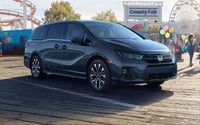
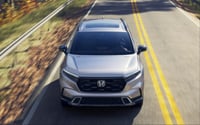
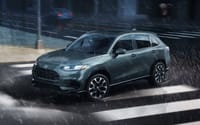
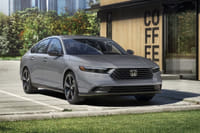
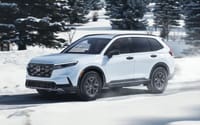
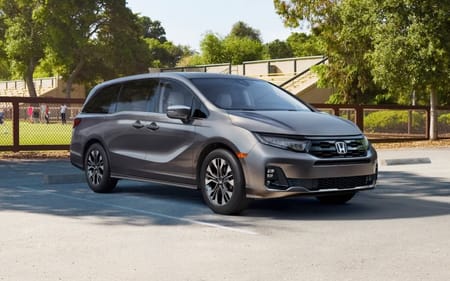
Instead of an abstract spec-sheet debate, we focus on how each brand feels and functions over the terrain you actually drive. Honda’s SUV lineup—anchored by CR-V, HR-V, Pilot, and Passport—leans into balanced steering, excellent outward visibility, and smart cabin space. Toyota’s RAV4, Corolla Cross, Highlander, and 4Runner are known for durability and off-pavement image, but often trade a bit of ride quietness or back-seat/cargo usability for that vibe. Around Manhattan, that difference shows up when a sudden side gust nudges your lane position, or when you make a quick turn from Bluemont Avenue onto a gravel cut-through after a rain.
Let’s start with four-season traction. Honda offers two distinct approaches tailored to Kansas conditions. Real Time AWD™—available on CR-V and HR-V—anticipates slip and shuffles power smoothly for confident launches on frost-dusted intersections and steady tracking on gusty bridges over the Kansas River. For larger SUVs, Honda’s i-VTM4® torque-vectoring AWD—available on Pilot and Passport—can actively send power not just rearward but side-to-side across the rear axle. That lateral control helps the vehicle rotate naturally through loose gravel corners while staying composed when crosswinds push against the body. Toyota counters with a range of systems: Electronic On-Demand AWD for many hybrids (using a dedicated rear motor) and Dynamic Torque Vectoring AWD on select gasoline RAV4 and Highlander trims, plus Multi-Terrain Select modes. Each delivers usable traction, yet Honda’s everyday calibration feels more transparent and sure-footed on the mixed surfaces common across Riley and Pottawatomie counties.
To make the key differences clear for windy highways and gravel roads, here is a side-by-side look at how the brands approach all-weather SUV control:
- AWD philosophy: Honda emphasizes predictable, natural-feeling response with Real Time AWD™ and the torque-vectoring control of i-VTM4®; Toyota offers multiple AWD types, from motor-driven hybrid systems to Dynamic Torque Vectoring AWD on select gasoline trims.
- Crosswind stability: Honda’s steering tuning and i-VTM4® rear torque distribution help the vehicle track straight with fewer subtle corrections; Toyota’s systems are steady, though some models rely more on stability control intervention during side gusts.
- Gravel-road confidence: Honda i-VTM4® can proactively send power left-to-right across the rear axle to aid cornering on loose surfaces; Toyota’s solutions vary by model—some can route torque rearward or brake a wheel, while hybrid systems emphasize smooth launches and efficiency.
- Driver feedback: Honda’s linear throttle mapping and brake feel reduce the on-off sensation on dusty washboard roads; Toyota tuning is competent, but can feel a touch firmer or busier over repeated small bumps.
Beyond traction, noise and ride comfort matter on long runs between campus and family in Topeka or Junction City. Many Honda SUVs employ thoughtful body sealing, aerodynamic mirror shapes, and sound-absorbing materials that keep cabin conversation easy when the wind kicks up on K-18. The seat support in Honda’s front chairs also helps on hour-long drives to tailgates at Bill Snyder Family Stadium—subtle details you feel after mile 75, not mile 5. Toyota rides are solid and durable, but some trims transmit a bit more tire slap and wind rush over open prairie stretches, which can add up on blustery Saturdays.
Hybrid powertrains play a growing role in Kansas, where a strong headwind can dent highway mpg. Honda’s latest two-motor hybrid-electric system in SUVs and sedans prioritizes smooth, EV-like torque at city speeds and composed power delivery when merging onto US-24. Toyota’s Hybrid Synergy Drive remains a benchmark for efficiency, especially in steady cruising. In variable conditions—like rolling hills around the Konza Prairie—many drivers tell us Honda’s hybrids feel more responsive and quieter under sudden load, while Toyota’s eCVT can sound busier climbing grades or passing into a headwind. Both are impressively efficient; Honda’s edge is the natural, refined feel.
Advanced safety and driver-assist tech is essential when gusts, glare, or gravel dust affect visibility. Honda Sensing® is standard on most new Honda SUVs, bundling features designed for the realities of Northeast Kansas driving. Toyota Safety Sense 3.0 offers a similar suite. The difference comes down to how these systems behave in crosswinds, traffic, and on two-lane highways—Honda’s tuning tends to be calm and confidence-inspiring rather than intrusive.
- Highway assist: Honda Sensing® provides Adaptive Cruise Control with Low-Speed Follow and Lane Keeping Assist for relaxed I-70 stretches; Toyota Safety Sense offers comparable functions, though steering assistance feel may vary by model.
- Collision mitigation: Honda’s Collision Mitigation Braking System™ and Road Departure Mitigation help when gravel roll or sudden gusts reduce grip; Toyota’s Pre-Collision System and lane features deliver strong, redundant protection.
- Traffic convenience: On select Honda models, Traffic Jam Assist can add gentle steering support in slow, dense traffic around campus events; Toyota’s lane assist tools also reduce fatigue, with differing levels of steering feedback by trim.
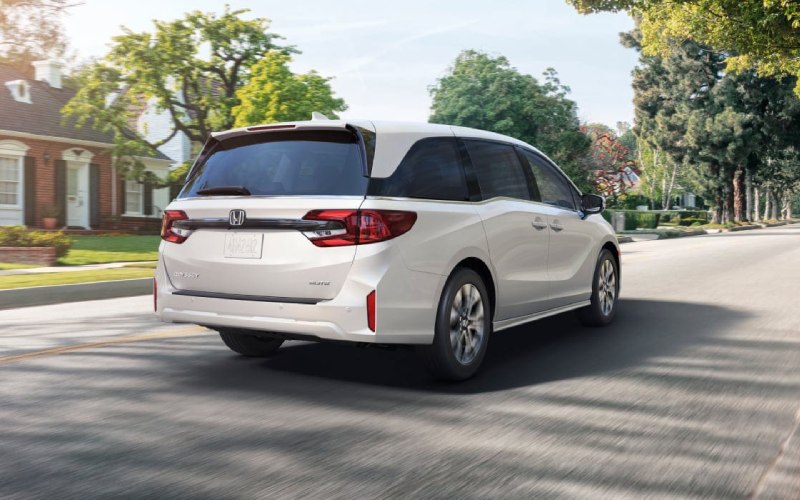
Utility and packaging are where Honda’s thoughtful design shows up every day. Low cargo floors make it simpler to load coolers and folding chairs for a Saturday at Tuttle Creek, and wide-opening rear doors help secure child seats before an early game or a winter concert at McCain Auditorium. Honda’s rear-seat legroom and smart small-item storage tend to outpace class norms, helping backpacks, boots, and band gear find a place without blocking visibility. Toyota cabins are well built and flexible, but in many models the load floor height or cargo opening shape can make bulky items a touch more awkward to maneuver.
Tech usability also matters across the local loop—from quick Bluetooth pairing in Old Manhattan to clear navigation guidance across county roads with spotty cell coverage. Select Honda models offer Google built-in for native Google Maps and voice assistance, while wireless Apple CarPlay and Android Auto streamline everyday use across the lineup. Toyota interfaces are clear and responsive too, with strong smartphone integration. We find Honda’s menu logic and voice control especially intuitive when hands are full and the wind is up.
So which brand fits Manhattan, KS driving best? If your week includes a windy highway commute, a gravel detour to a trailhead, and weekend carpools through campus traffic, Honda’s blend of ride refinement, AWD calibration, and packaging gives you an easy confidence that sticks—especially with i-VTM4® on larger SUVs. Toyota remains a trusted choice, particularly if you prefer specific off-road trims. But for the kind of mixed-use routes we see across the Flint Hills, Honda’s calm, cohesive tuning often turns stressful stretches into simple ones.
To help you map needs to vehicles, here is a quick guide you can bring to a test drive:
- Main surfaces: List your most common roads—open highway, gravel, or city—then prioritize AWD type and tire options accordingly.
- Weather profile: Note your wind, ice, and storm-season concerns so we can tailor a Honda Sensing® and AWD walkaround to your routes.
- Cargo realities: Measure the biggest items you haul—strollers, coolers, music cases—so we can demo loading height and tie-down points.
- Seat time: Plan a loop that includes crosswinds and a short gravel segment to feel steering and body control differences firsthand.
When you are ready, our team at Sharp Honda will curate a route that mirrors your life—from brisk I-70 stretches to neighborhood turns—so you can feel how a Honda settles into the wind and shrugs off loose surfaces. And after you bring your SUV home, our Honda Express Service Elite helps keep it that way with quick, no-appointment oil changes, battery checks, and tire rotations—ideal for busy K-State calendars and wintertime needs.
Frequently Asked Questions:
Which Honda AWD is best for gravel roads around Manhattan, KS?
For frequent gravel or unpaved travel, we recommend Honda’s i-VTM4® on a Pilot or Passport. It can actively send torque side-to-side across the rear axle, helping the vehicle rotate naturally and track straight when the surface gets loose. For primarily paved driving with occasional gravel, Real Time AWD™ on CR-V and HR-V delivers smooth, predictive traction that feels effortless on mixed surfaces.
How do Honda hybrids feel in crosswinds compared to Toyota hybrids?
Both brands are stable in steady winds, but many drivers prefer the way Honda’s latest two-motor hybrid system delivers quiet, immediate torque without excessive engine flare when merging or passing into a gust. That smoother response makes maintaining lane position and speed feel more natural across the Flint Hills’ open stretches.
Do I still need winter tires if I choose AWD?
Yes—AWD helps you go, but winter tires help you stop and steer on snow and ice. For Manhattan and surrounding counties, a quality set of winter or all-weather 3PMSF-rated tires combined with Honda’s AWD gives you the most confident cold-season setup. We can help you select and install the right set at our service center.
Can Sharp Honda service my vehicle even if I purchased it elsewhere?
Absolutely. Our factory-trained technicians and three Honda Master Technicians are equipped to care for your Honda regardless of where it was purchased. We use Genuine Honda parts and offer Honda Express Service Elite for fast maintenance—perfect for busy school and work schedules in and around Manhattan.
Comparing strong brands gets easier when you focus on the roads you actually drive. Around Manhattan, KS, Honda’s blend of stable crosswind manners, confident gravel-road traction, and everyday usability tends to reduce fatigue and increase confidence on every trip. Visit us at Sharp Honda in Topeka and we will tailor a side-by-side drive that shows the difference where it matters—on real routes under real Kansas skies.