Sharp Honda - Honda vs Subaru SUVs for KU Gamedays and Flint Hills Gravel near Lawrence, KS
On any given weekend near Lawrence, KU gamedays pack Massachusetts Street, K-10 can see sudden crosswinds, and the gravel around Clinton Lake or Douglas County backroads adds a dusting of real-world challenge. If you are comparing Honda and Subaru for that mix of in-town errands, I-70 runs, and light off-pavement adventures, our team at Sharp Honda has a clear, practical way to think about both brands—so you can feel confident before you test-drive.
Both Honda and Subaru earn strong reputations for safety, winter confidence, and family-ready packaging. The key differences show up in how their all-wheel-drive systems respond on slick surfaces, how comfortably they handle stop-and-go around campus, and how their cabins support carpooling, tailgates, and weekend gear. Below, we focus on SUVs and crossovers shoppers in Lawrence compare most often—from compact options like Honda HR-V and CR-V to roomier choices like Honda Passport, Pilot, and Ridgeline—against comparable Subaru models. While we compare the brands broadly, we lean on what we know best: the everyday advantages built into Honda and how those benefits translate on the routes you drive.
Start with traction and stability, because that matters most when K-10 gusts push across open fields or a surprise dusting of snow hits U.S. 59. Honda offers two distinct systems: Real Time AWD™ on vehicles like HR-V and CR-V, and i-VTM4® (Intelligent Variable Torque Management) on Passport, Pilot, and Ridgeline. Real Time AWD™ is tuned for seamless, predictive engagement—ideal for wet leaves on neighborhood streets or that slick ramp out of the Allen Fieldhouse lots after a cold front. i-VTM4® ups the game with torque vectoring that actively sends power not just front-to-rear, but side-to-side across the rear axle, helping push you through a rutted, washboarded path toward the lake while also sharpening on-road cornering around town. Subaru’s Symmetrical All-Wheel Drive is full-time and excels at steady traction with balanced weight distribution; it is a reliable platform for snow and graded dirt. The everyday difference many drivers feel is Honda’s confidence on mixed surfaces and around turns—especially with i-VTM4® in changing conditions that demand both grip and precise response.
Ride comfort and quiet are the next filters for Lawrence life. Between downtown, campus, and I-70 out to Topeka or Kansas City, a composed cabin matters. Honda’s latest SUVs are tuned for a calm ride and low road noise, helped by refined suspension geometry and extensive sound insulation. That translates to easier conversations with back-seat passengers and less fatigue on late drives home from a day at Clinton State Park. Subaru’s tuning has grown more comfortable in recent years, though some models still lean toward a firmer, more utilitarian feel on broken pavement. For most families and commuters, Honda’s additional polish stands out during longer drives and high-wind days when extra stability and cabin hush reduce stress.
Interior flexibility also sets Honda apart. CR-V and HR-V make excellent use of space with wide cargo openings and thoughtfully engineered rear seatbacks, while Passport and Pilot offer generous second-row legroom and usable third-row access in the Pilot. The low liftover height across the lineup is a big deal when you are loading coolers, folding chairs, or strollers before a game. Subaru cabins are practical and airy with strong visibility; both brands impress here. The practical difference—especially in the latest Hondas—is how the small details add up: smart underfloor storage, deep door pockets, and flat cargo areas that do not fight you when you load awkward items for lake weekends.
Safety is a shared strength, and both brands keep expanding their driver-assist suites. Honda Sensing® is standard on most new Honda vehicles, pairing camera and radar-based systems to support Collision Mitigation Braking System, Road Departure Mitigation, Adaptive Cruise Control with Low-Speed Follow, and Lane Keeping Assist System. Many newer Hondas also offer Traffic Jam Assist and Traffic Sign Recognition for smoother urban driving. Subaru’s EyeSight Driver Assist Technology is also widely standard and has earned high marks for predictable, confidence-building support. In our experience, Honda’s tuning for steering assistance and stop-and-go smoothness shines in campus traffic and on two-lane highway stretches where you are moderating speed frequently.
Technology and infotainment bring these safety and convenience features together in everyday use. Honda’s modern interface emphasizes clear menus, quick response, and available wireless Apple CarPlay and Android Auto. On select new Honda models, available Google built-in integrates Google Maps and Google Assistant right into the vehicle—useful when you are routing around I-70 backups or searching for last-minute pizza after a game. Subaru’s STARLINK system is friendly, too, but Honda’s combination of crisp UI, straightforward controls, and seamless smartphone connection keeps daily driving simple and familiar for most users.
More buyers near Lawrence ask about hybrids now, and this is a meaningful brand difference. Honda’s two-motor hybrid technology in CR-V Hybrid and Accord Hybrid delivers confident acceleration in town and relaxed highway cruising with excellent real-world fuel savings. It is particularly noticeable in KU traffic, where frequent starts and stops make the hybrid’s smooth electric assist feel effortless. Subaru’s current hybrid presence in the U.S. is limited, focusing more on traditional gas models and an all-electric SUV. If you want a proven, mainstream hybrid option that still feels natural to drive, Honda leads here.
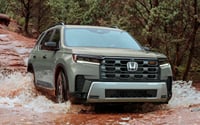
Light off-pavement use matters, too. Subaru earns deserved credit for ground clearance and steady traction, which can help with ruts and deeper snow. Honda counters with i-VTM4® capability and TrailSport models that add all-terrain tires, tuned suspensions, and strategically placed underbody protection. For the graded gravel and mild two-track paths common near Clinton Lake, both brands are up for it. The advantage for Honda drivers is how i-VTM4® adds a confident, push-from-the-outside-rear-wheel feel through loose corners, so the vehicle turns with less steering correction and more calm. If your weekend routes blend county gravel with plenty of highway miles, Honda’s balance of refinement and capability is a sweet spot.
Ownership experience should be part of the decision, especially with Kansas weather extremes. At Sharp Honda in Topeka—about a straightforward half-hour west of Lawrence on I-70—we support your vehicle with Honda-trained technicians, Genuine Honda Parts, and Honda Express Service Elite for fast, no-appointment maintenance on many services. From seasonal tire rotations before winter storms to battery checks after a summer heatwave, our service team helps keep your Honda’s safety systems and AWD performing as designed.
Here is a fast comparison snapshot you can keep in mind as you build your shortlist for test-drives around Lawrence and the nearby highways and gravel:
- AWD character: Honda Real Time AWD™ and i-VTM4® prioritize seamless engagement and cornering stability, while Subaru’s Symmetrical All-Wheel Drive offers full-time traction and balanced feel.
- Ride and quiet: Honda tuning emphasizes low cabin noise and a settled ride on I-70 and K-10; Subaru is comfortable but can feel more utilitarian on rougher sections.
- Hybrid availability: Honda offers proven, smooth two-motor hybrid systems in mainstream models; Subaru’s current hybrid options are limited in the U.S.
- Cabin practicality: Honda’s low liftover heights, wide cargo openings, and thoughtful storage simplify tailgates and weekend packing; Subaru remains spacious with excellent visibility.
- Safety tech feel: Honda Sensing® delivers refined steering and braking assistance in stop-and-go traffic; Subaru EyeSight is confident and predictable with broad availability.
If you want to experience these differences in the same afternoon, we recommend a short, real-world route that mirrors life in Lawrence—city streets, a highway stretch, and a bit of graded gravel near the lake. Use these steps to set up a helpful drive plan.
- Start in town to evaluate low-speed smoothness, steering weight, and visibility for parking near campus.
- Merge onto K-10 or I-70 to feel crosswind stability, noise levels, and lane-centering support.
- Continue on a lightly rutted gravel road to assess traction handoffs and suspension composure.
- Finish with a cargo test—fold rear seats and load bulky items to compare space and access.
Our team can map out a loop from Lawrence to our Topeka showroom that hits all four parts in about an hour. You will get an honest reading of what feels right for your life—not just a few laps around a block.
Frequently Asked Questions:
Which AWD setup feels best for snow and gravel around Lawrence?
Subaru’s full-time Symmetrical All-Wheel Drive is excellent for steady traction in snow and on graded dirt. Honda’s i-VTM4® adds torque vectoring that can help the vehicle rotate more naturally through loose corners while maintaining stability—useful on gravel transitions and slushy intersections. For compact SUVs, Real Time AWD™ engages quickly and smoothly in changing conditions common around K-10 and local neighborhoods.
Is Honda Sensing® standard on new Honda SUVs?
Honda Sensing® is standard on most new Honda vehicles, including popular SUVs. It bundles Collision Mitigation Braking System, Road Departure Mitigation, Adaptive Cruise Control with Low-Speed Follow, and Lane Keeping Assist System, with additional features such as Traffic Jam Assist on select models. Ask our product specialists to show you how these systems feel in local traffic before you decide.
Which Honda models use i-VTM4®?
Honda’s i-VTM4® (Intelligent Variable Torque Management) is available on Passport, Pilot, and Ridgeline. It actively distributes torque between the rear wheels to enhance traction and cornering, delivering confident performance on slick city streets and on mild off-pavement routes near Clinton Lake.
How do Honda hybrids perform on highway trips to Kansas City or Manhattan?
Honda’s two-motor hybrid system blends electric torque at lower speeds with efficient cruising at highway pace, creating a relaxed, quiet drive. You will notice strong, smooth response for ramps and passing, along with calm engine noise that makes I-70 drives less tiring.
Can Sharp Honda service my vehicle if I live in Lawrence?
Absolutely. We are a short drive west via I-70. Our Honda Express Service Elite handles many maintenance items with no appointment, and our factory-trained technicians use Genuine Honda Parts. Whether you commute to KU or head out for weekend trips, we keep your Honda ready for Kansas weather and road conditions.
In the end, you cannot go wrong with either brand for safety and year-round confidence. If you want extra cabin quiet, refined steering and driver-assist behavior in campus traffic, proven hybrid choices, and AWD systems that feel composed on both I-70 and Flint Hills gravel, Honda delivers a standout blend. Stop by Sharp Honda—your nearby Honda resource for Lawrence drivers—and let us set up a route that makes these differences clear in one easy drive.